There were sirens and blackouts while people rushed to leave Delhi due to the situation. In addition, this was not a real emergency; it was a large-scale civil defence exercise where authorities were testing their preparedness and response systems against a hostile attack that occurred over multiple districts. It also highlighted that there is increased interest in being prepared for urban emergencies. The drill took place at night at several sites at once, and officials were observing the coordination of many agencies. As a result, the exercise provided information about the gaps in emergency response. Therefore, preparedness was the focus of the operations conducted during the exercise.
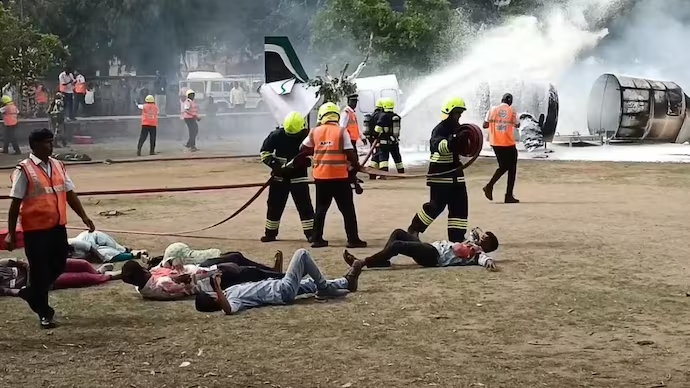
Delhi Civil Defence Drill Strengthens Multi-Agency Coordination
At first, air raid alerts had been activated by the teams using control network systems. Authorities soon implemented blackout procedures throughout designated key areas, thereby simulating real combat situations with a view to preparing teams for making safer location decisions for their rescue operations. The rescue teams had already assigned civilians to their bunkers, and the medical teams had continued to provide realistic treatment of simulated victims during the drill, thus demonstrating their ability to execute casualty care processes under simulated exercise conditions.
Also, disaster response teams worked closely with police personnel to plan and conduct drills involving civil defence and NCC volunteers who were actively assisting with operational coordination. “We were alerted to the operational deployment, and we proceeded to the staging area, as soon as we got the alert,” a police official stated, “many organisations, including the disaster response team and medical staff, were on scene and were able to cooperate in providing the coordinated response required for continuing the operation.” Police also reported that in addition to these activities, commanders evaluated potential risk levels associated with the numbered zones. Finally, all of the activities included evaluating response times and the conduct of all teams through the drill to determine the adequacy of execution of operational command procedures.
Strategic intent focuses on preparedness, awareness, and public cooperation
The government held disaster simulation drills across numerous hospitals, police stations, schools, and other public areas, including the Taj Palace Hotel and the Delhi Cantonment area. These drills were overseen by the District Magistrates of all 13 districts, and they will provide the government with a detailed report after the drills are finished. The purpose of these drills is to improve the working relationship between the groups called out in the event of an emergency. “This is for your safety.
If you cooperate, then this will allow us to better manage disasters.” Officials also said there was not a real disaster, and the public should remain calm during the drills. Citizens were told to strictly follow all instructions provided by their local officials. Additionally, they were asked not to create any needless panic by spreading false information regarding these drills. These types of drills take place from time to time to maintain a high level of preparedness for disasters. For this reason, Delhi continues to build on its ability to respond to any future threats. Delhi civil defence initiatives will continue to play a crucial role in strengthening preparedness for future urban emergencies.
For more- https://civiclens.in/category/national-news-civiclens-in/
About the Author