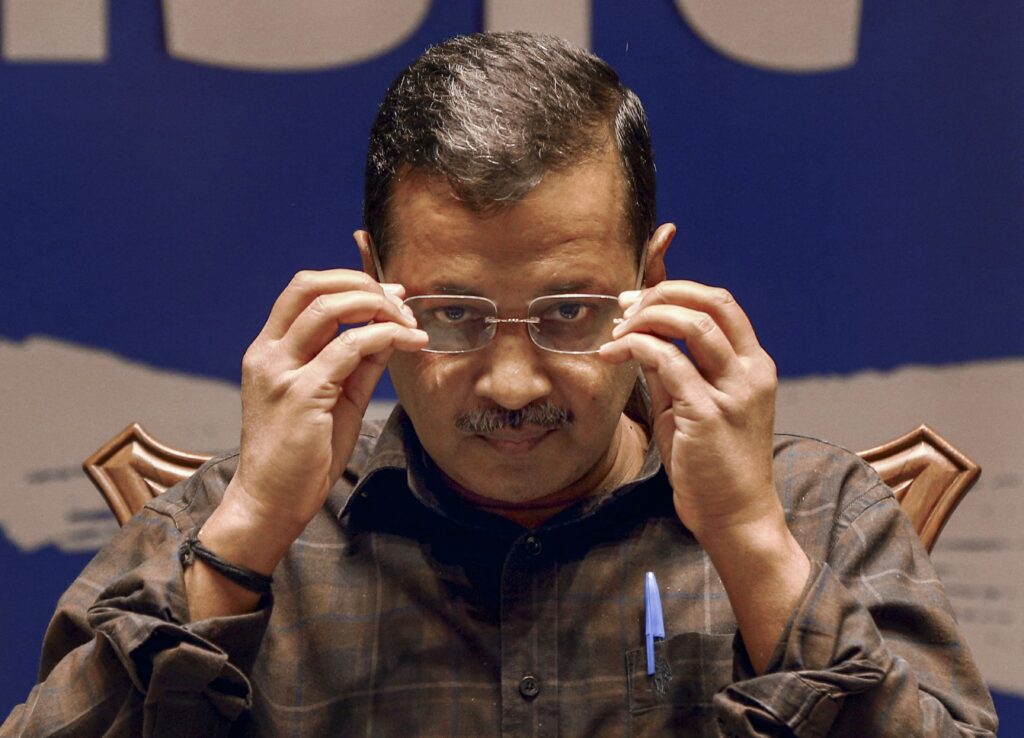
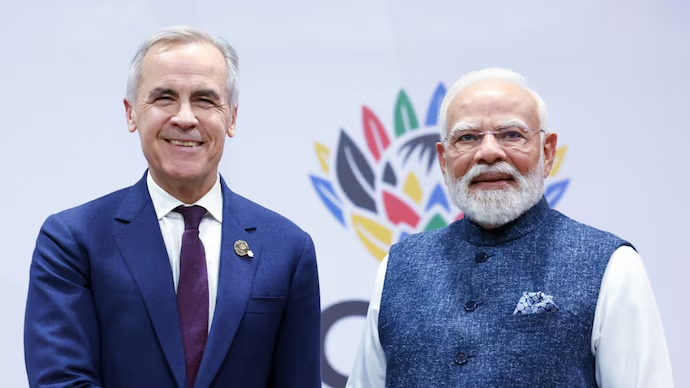
When Prime Minister Narendra Modi stood next to global tech leaders in New Delhi, he made a statement that india wants a definitive role in building the future of artificial intelligence and not merely participating in the consumption of it. TheAI Impact Summit 2026, held from February 16 through February 20, concluded with 88 countries coming together and issuing the New Delhi declaration, and making large investment commitments and establishing new global partnerships.
What is the New Delhi declaration?
The new delhi declaration has been signed by 88 countries and international organizations and creates a shared vision to make ai more inclusive, in a sense of accessibility and security; however, it should be noted that this declaration is completely voluntary and not legally binding.
The most important element of the declaration is the creation of the Global AI Common Platforms, which will provide a single global registry for documenting how ai is being applied and will provide guidance on ai adoption in areas of agriculture, healthcare, and education.
The declaration also calls for the creation of a trusted ai commons, a workforce reskilling framework, and for the creation of greater international research collaboration. Ultimately, all of these programmes will represent India’s desire to democratize ai and provide protection from ai being solely controlled by a small number of nations.
India’s strategy: investment, influence, and independence
Investment platforms served as significant means of doing business between countries at the summit. More than $200 billion committed by foreign companies for AI-related investment in India with many announcements beyond two large companies (Adani Group & Reliance) making headlines.
The involvement of both global firms and Indian firms indicates confidence in India as a key player in AI infrastructure.
- Google announced its investment of $15 billion in India which includes an expansion to include subsea digital cable infrastructure.
- OpenAI will be working with Tata Group to expand their existing data centres;
- Anthropic signed an enterprise level agreement with Infosys to roll out their enterprise AI platform.
- Yotta Data Services announced that it would spend $2 billion to expand data centre capacity with NVIDIA chips.
India’s first large language model trained internally – Sarvam AI – launched at the summit marking an important milestone for India’s technological advancements.
Sarvam’s AI focuses on the practical and everyday use of AI, including for public services, and in Indian languages, rather than being an advanced research type AI like global AI models. It is also part of India’s strategy of creating AI for its entire population as opposed to just copying western models.
ALSO READ: HAMMER Missile Joint Venture Boosts India’s Defence Self-Reliance
Success, but challenges remain
Although there was considerable momentum, the summit highlighted India’s limitations.
The US’s rejection of global AI regulations demonstrates the geo-political divisions that remain; experts have also pointed out that India lacks the computing capacity to fully compete globally with either the U.S. or China.
However, the summit has shown how critical India has become on the world stage, with a huge digital population and continued investment in digital infrastructure; together with strategic partnerships, this puts India in a position to become one of the most significant AI markets in the world.
The wider context
The AI Impact Summit was not merely a technology event but also offered a fundamental shift in global AI governance essential for peace between nations and the success of humanity as a whole.
India is setting itself up to be the voice of the Global South in global AI governance, whilst building national capabilities. While the New Delhi Declaration is not legally enforceable, it represents an important moment in time where artificial intelligence is no longer restricted to being governed only by a few countries.
The key question is now whether India can take its ambition and use it to create long-term global leaders.
FOR MORE: https://civiclens.in/category/national-news-civiclens-in/
About the Author