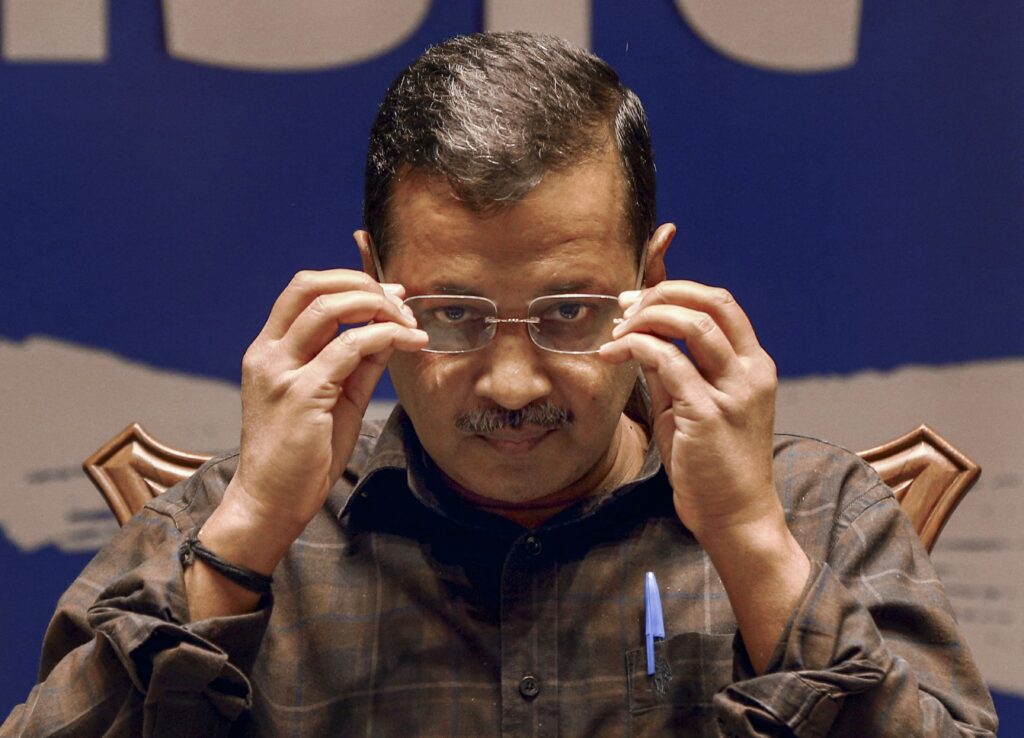
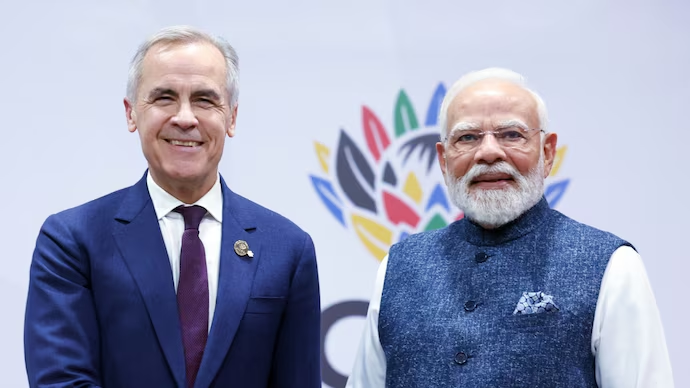
Budget Session disruption dominated Parliament as the first phase ended amid protests, walkouts, and repeated adjournments. Tension was high in Parliament as the first phase of the Budget session came to an end. Shouting, walkouts, and repeated adjournments characterized daily proceedings. Opposition protests continually overshadowed legislative discussions and debates.
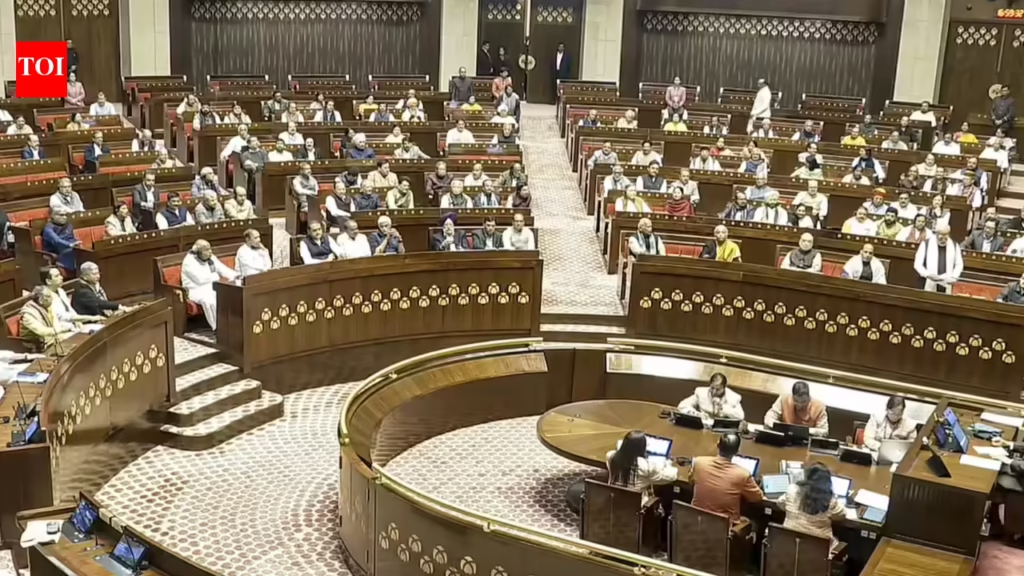
Disputes over key issues drew attention away from budgetary scrutiny. There were many heated exchanges between the government’s benches (or ruling party) and those of the opposition in both Houses of Parliament. With tensions high, productivity in the Lok Sabha was affected. In contrast, compared to the Lok Sabha, the Rajya Sabha functioned more efficiently.
At the end of the session, unresolved disputes and political bitterness prevailed. Consequently, the two Houses of Parliament went into recess under very confrontational atmospheres. With heightened political expectations, the second half of this Budget session is expected to be a contentious period for Parliament.
This has created flashpoints throughout this parliamentary phase. Flashpoints will have helped shape the overall tone of the budget session. Disruptions delayed building consensus on important legislation, and thus its institutional strain continued to be apparent when adjournment was announced. The recess is a brief opportunity to “catch your breath”.
Budget Session Disruption Over Trade Deal and Memoir Row
The talk was about the terms that India and the US both agree to use when trading with each other. Opposition MPs claim that the Government is not acting in the best interests of our nation, but this has been denied by the Government. Tension has increased in the House since Rahul Gandhi had read from a book that is not yet available to the public. The Chair indicated that he would not entertain any reference to M M Naravane’s unpublished book. Many objections to this resulted in protest and further adjournments. Eight opposition MPs were suspended for disorderly behaviour.
The opposition tried to disrupt the PM’s response to the Lok Sabha. The Motion of Thanks was passed without the usual closure. The opposition has added to this issue with a notice of no confidence in the Chair. Speaker Om Birla has now stood down whilst this matter is resolved. In the Rajya Sabha, the PM has taken very strong exception to the opposition’s accusations that they are showing disrespect towards the institutions established by the Constitution, and after his response, the opposition left the House, thereby increasing the already high degree of partisanship between the parties. The ongoing stalemate between the two Houses of Parliament has resulted in very limited opportunities for any serious discussion about policies.
Expunged Speeches, Productivity And What Lies Ahead
Parliament’s expunged records have brought up new issues. Mallikarjun Kharge found the issues with removing words from his Rajya Sabha speech unacceptable. Kharge stated, “This violates democracy and freedom of expression. Chairman C P Radhakrishnan has declined our requests for the restoration of the aforementioned remarks.
Further disagreements regarding procedure were troublesome and distracting during Question Hour. Parliament did pass an amendment to an Industrial Relations Code in the midst of the turmoil. The standing committees will have the responsibility of auditing the budgetary framework of recess during this session of Parliament, which runs from March 9 to April 2.
The opposition parties’ objective is to obtain broader assessments during the next stage of parliamentary proceedings. The government would prefer to have a more narrowly defined legislative agenda. Therefore, it is likely that there will continue to be points of conflict when Parliament reconvenes.
For more- https://civiclens.in/category/national-news-civiclens-in/
About the Author