Gold silver price crash triggered sharp volatility across global markets as heavy profit-taking erased gains after record highs. The value of gold and silver has dropped dramatically after reaching record highs. This sudden decline erased trillions of dollars in value globally. Investors around the world reacted with disbelief. Trading terminals displayed volatile price changes within minutes. The precious metals had been on an upward trend for several weeks and, as such, attracted a large amount of speculative trading activity throughout the world. Because of the anticipated increase in value, speculative trading caused significant leverage to increase in futures and derivatives markets. As gold and silver prices reached their zenith, sellers began to exert significant downward pressure on both metals.
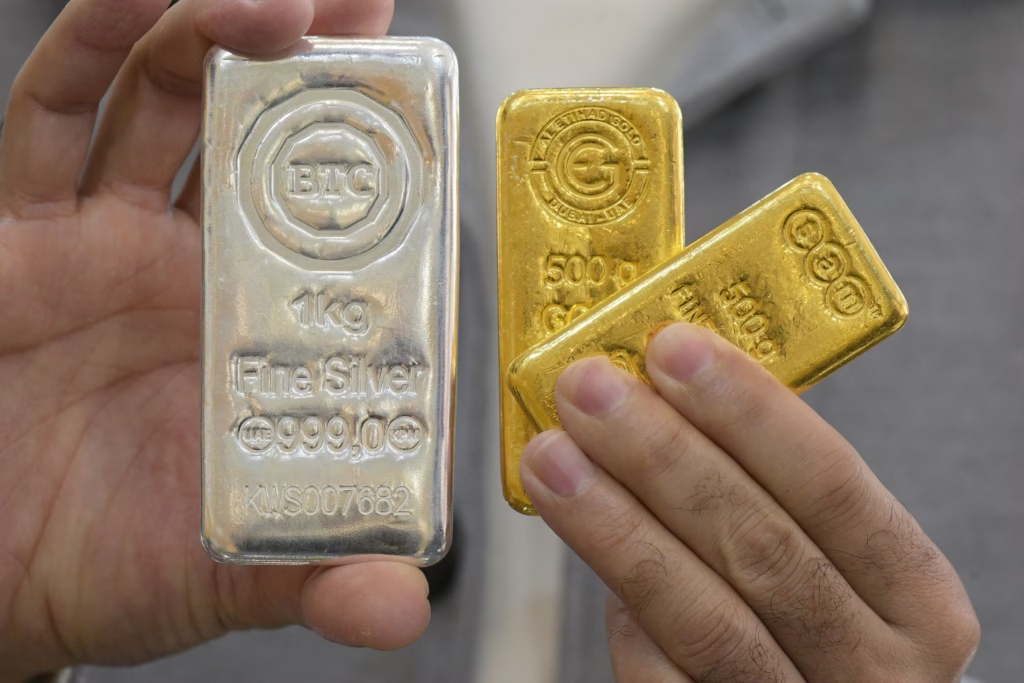
As the upward momentum slowed, profit-taking began to accelerate. The use of algorithmic trading to sell both metals resulted in an immediate spike in the downward price of both metals. The sell-off quickly spread to other global exchanges. In India, the price of bullion decreased significantly during the trading session, with gold falling by several percentage points and silver by a larger margin due to the lower liquidity of silver.
The extent of the losses has raised a lot of issues regarding whether the reduction of value was caused by artificial pressure or rather the way natural forces drive the price. Many analysts discussed the inherent structural weaknesses present within precious metals trading, on whether these events are driven by artificial or natural forces. Many analysts recommend that there should be a pause before making any decisions, given how emotional these markets currently are, because they are experiencing extreme price swings associated with other factors, particularly liquidity.
Why the gold and silver price crash unfolded so rapidly
Analysts believe that aggressive profit-taking after recent record highs may have been the driving force behind the fall in the price of gold in January. In January, gold jumped almost 30% alone. Technical indicators were clearly indicating an extreme near-term overbought market.
The continued strengthening of the U.S. dollar created additional downside pressure for the price of gold. Higher bond yields have decreased short-term demand for gold. As gold prices increased to an unacceptable price level, demand for gold decreased, causing additional selling pressure throughout the market.
What analysts expect for gold and silver next
There are no signs of a broad market collapse according to experts; this has been referred to as a steep correction. Gold has performed well on average over the last few decades. The previously referenced technical supports are still in place at this time. February is expected to see continued volatility based on analyst projections. The dollar’s trend will drive near-term price variations, while rates are expected to be lower, which may further bolster bullion at a later date.
For more- https://civiclens.in/category/category-business-economy/
About the Author