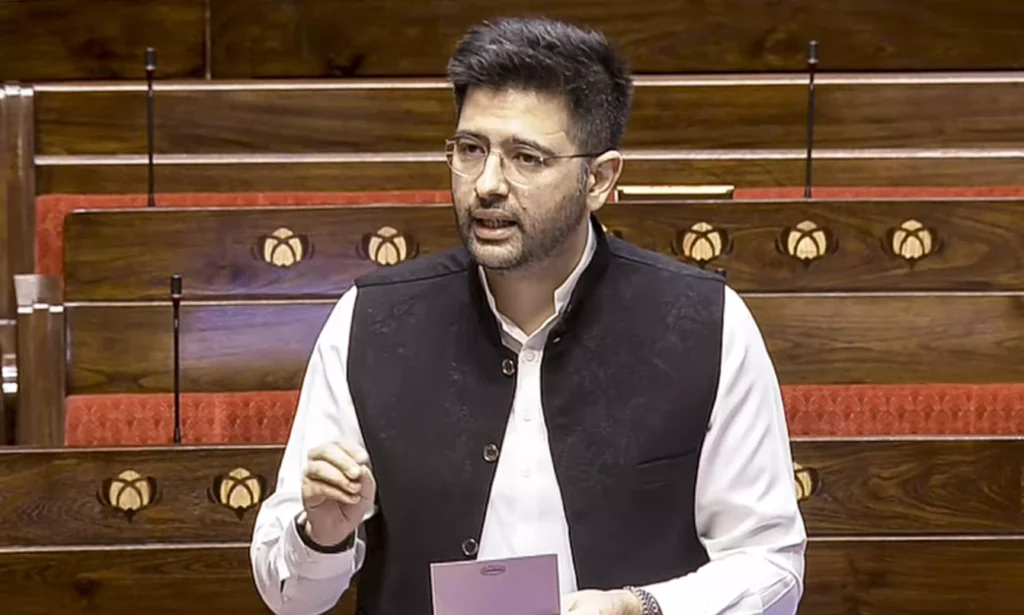
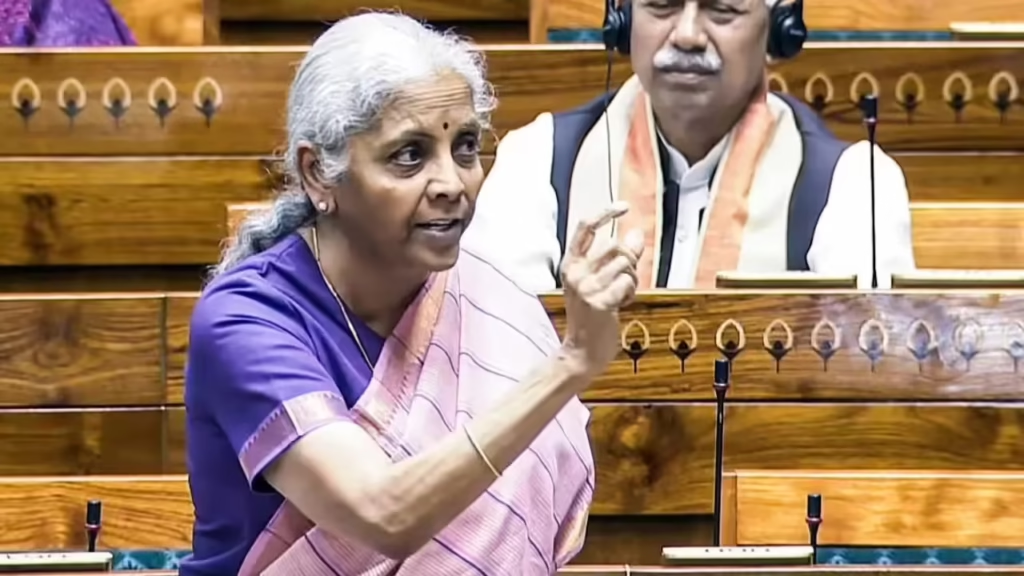
The Ministry of Defence (MoD) clarified that India will deploy peacekeeping troops only under a United Nations mandate.. The statement comes amid debates on possible missions in Gaza and Ukraine.

India has announced it will not send peacekeeping forces at the behest of a UN mandate, according to the Ministry of Defence (MoD). There has been a growing international debate about possible peacekeeping missions in Gaza and Ukraine during the UN General Assembly session.
Vishwesh Negi, MoD spokesperson, told reporters that Indian forces will only take part in UN-mandated peacekeeping missions approved by the UN Security Council (UNSC), which makes it unlikely that, given the veto powers of the permanent UNSC members, Indian peacekeepers will be deployed under a UN-mandated mission with clearance of the UNSC under chapters. It is highly unlikely, given the composition of the UNSC,” Negi remarked, referencing the United States’ strong backing for Israel and Russia’s opposition to foreign troops to Ukraine.
Why UNSC Approval for India Peacekeeping Troops Is Unlikely
The United States will veto any United Nations action in Gaza because of its close ties to Israel.. Israel has always opposed UN missions and prefers bilateral or localized avenues.
In Ukraine, Russia has veto power and has rejected all attempts to develop international military action. For Russia, this is a threat to its own security/power interests. Given that both of these conflicts involve a member of the UNSC, neither has a path to receiving a mandate.
Trump’s Gaza Peace Plan
India’s clarifying statement comes only two days after United States President Donald Trump announced ( 2017) his 20-point peace plan for Gaza. His plan gave a peace offer for the release of hostages, phased military withdrawal by Israel, disarmament of Hamas, and provisional rule of the Gaza territory until the Palestinian Authority could regain governance of the region.
Importantly, the Trump Gaza plan did not include any suggestion of an international military mission by the UN. Thus, India’s clarification statement is even more relevant.
Historical Precedents of India’s Peacekeeping Troops Decisions
India has a historical role in providing troops to missions by the UN, but has always said ‘no’ to missions outside the UN.
For example, in 2003, the United States asked then-Prime Minister Atal Bihari Vajpayee to send around 17,000 Indian troops to Iraq after the US-led invasion of that country. India declined, stating that there would be no deployment in the absence of a UNSC authorization.
The Vajpayee government stated, “were there to be an explicit UN mandate for the purpose, the government of India could consider the deployment of our troops in Iraq”, but later news reports stated that India remained steadfast even if a UNSC elaboration had been adopted. The greatest opposition to the war in Iraq was likely to be the opposition in India itself.
India’s Role in UN Peacekeeping Operations
Today, India continues to be one of the largest contributors to UN peacekeeping and the UN-funded forces in the world. Indian soldiers have served in thousands on missions in Africa, the Middle East, and Asia. People generally praise their service for professionalism and neutrality.
However, the Ministry of Defence has made it as clear as possible that legitimacy through a UNSC mandate or authorisation is required for each mission. This keeps an Indian legally compliant with international law and safely away from controversial wars.
conclusion
The Ministry of Defence has reiterated that India will not deploy peacekeeping troops to Gaza or Ukraine unless a United Nations Security Council mandate is forthcoming. In light of the indefinite deadlock in the UNSC position due to vetoes by the US and Russia, such an operation is very unlikely.
India’s position is squarely within its normative practice of supporting UN-led peacekeeping operations, but not other unilaterally or politically motivated interventions.
For me –https://civiclens.in/category/international-news/
About the Author