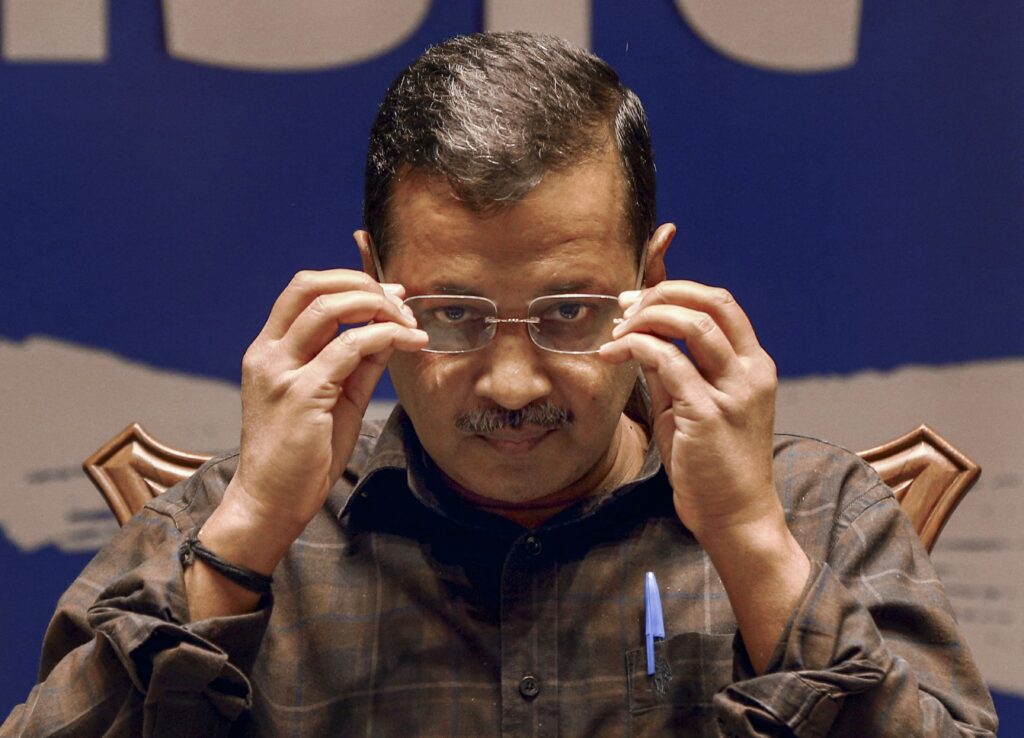
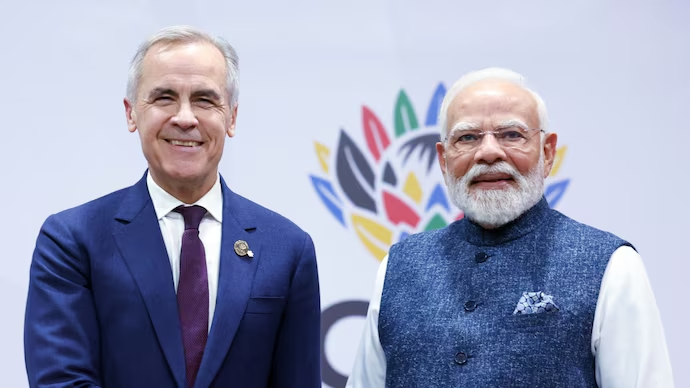
India-US trade talks pause followed a US Supreme Court ruling that reshaped tariffs and forced both sides to reassess negotiating leverage. India placed trade negotiations on hold when tariff laws changed. Federal officials also delayed their trip to Washington to reevaluate the effect of the ruling and subsequent tariff changes on their overall strategy. This decision followed a ruling made by the United States Supreme Court, which declared many of the reciprocal tariffs that India placed on the U.S. to be invalid. As a result of this ruling, Mr. Trump announced a global tariff. He later increased that temporary tariff rate to 15%.

Before this ruling, India had received temporary relief under a framework that granted it an interim tariff reduction from 25% to zero, and there was also a removal of a punitive duty. As a result of this ruling, the negotiating leverage of both countries has changed significantly, and both parties have agreed to carefully review the impact of the ruling on their negotiations prior to resuming negotiations between the parties. Due to privacy laws restricting public comment in real time, neither party is able to provide immediate comment concerning the status of the talks.
India-US Trade Talks Pause as Negotiators Reassess Leverage After Court Ruling
Negotiators discussed the interim legal text during a meeting held in the second half of February.Experts now suggest revising their position due to the ruling. Some experts may suggest that the benefits of the proposed concessions will not be enough to offset the costs. In the absence of a treaty, tariffs are likely to remain in the vicinity of 15%, which is very similar to the negotiated rate of 18% previously.
Several analysts contend that the pressures exerted on the Parties to come to an agreement have diminished. They also suggest either delaying negotiations or modifying the terms of your proposal. With continued communication, the Parties will hold a catch-up meeting to discuss their findings. Timing will depend on the development of legal clarity and market signals. Both Parties are very cautious about making rushed commitments to each other. All organizations engaged in the stakeholder process will continue to have discussions with the industry and government.
Exporters weigh relief as policy uncertainty lingers
Exporters are relieved by the lower level of uncertainty about tariffs. At this point, many exporters believe they can deal with the 15% tariff rate. However, exporters are also worried about future duty rates by sector. In the case of leather and garment exporters, there has been an urgent need for swift clarification. Ajay Srivastava noted, “In exchange for an 18 per cent reciprocal tariff rate, India was expected to offer major concessions—cutting tariffs, aligning economic policies with U.S. interests, easing regulations affecting US goods, and signalling large purchases of American products.
Now, even without a trade agreement, without making any sacrifices, India, like other countries, faces a 15 per cent tariff on most goods, rendering the negotiated arrangement burdensome and one-sided,” Abhijit Das stated. “The reduced tariff created less pressure on exporters to grant any concessions.” While some other exporters may expect to receive refunds from previously paid duty amounts, others prefer to plan their operations in the context of the ever-changing policy environment.
Although the Supreme Court imposed limitations restricting the use of emergency tariff powers, Trump utilized Section 122 of the U.S. Trade Act, allowing temporary surcharges for a limited length of time. As a result, India must reconsider its strategy on how it will be able to commit to additional trade deals. The current impasse shows the level of caution exporters will need to exercise until there are more consistent and reciprocal trade rules. The next actions will depend on the presence of continuation of stability and reciprocity between India and the U.S.
For more- https://civiclens.in/category/national-news-civiclens-in/
About the Author