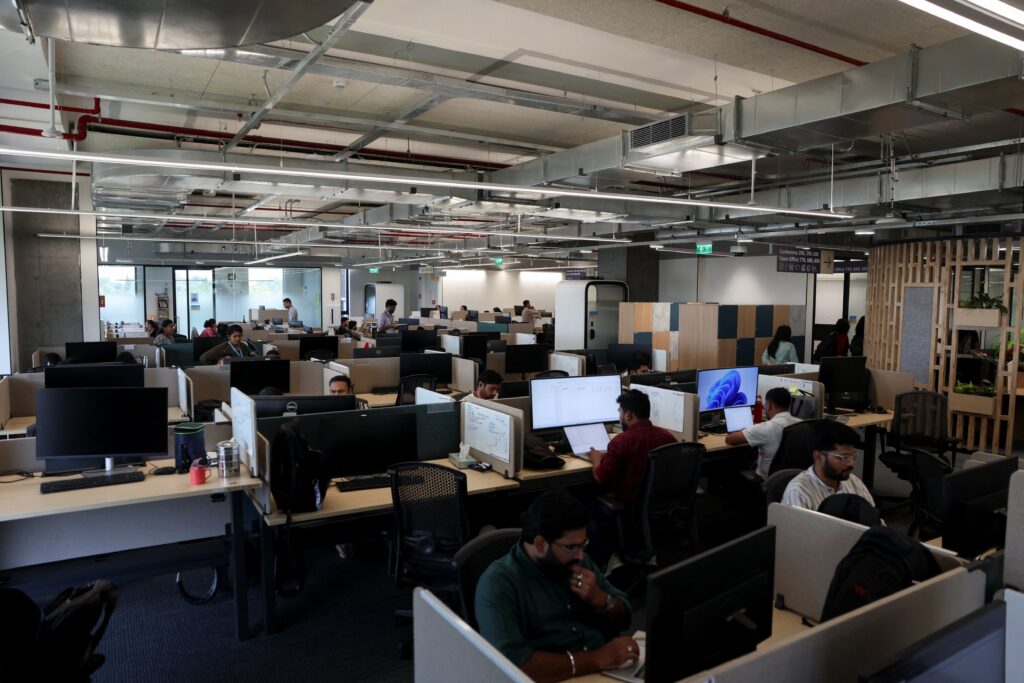
The Indian Ocean has an ongoing competition changing the balance of power within the region that is largely unseen. India’s efforts towards creating an energy hub in Sri Lanka include economic partnerships, but are also an attempt to address China’s increased role in the area.
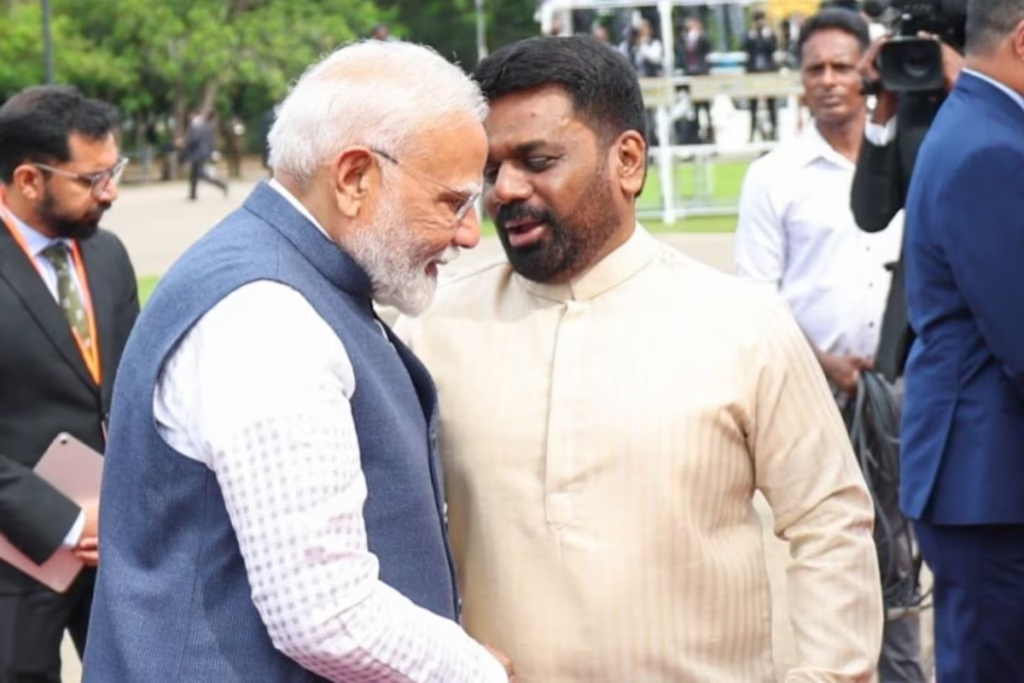
As a result, Sri Lanka has become an important battleground for the acquisition of power on the global stage. At the same time, the infrastructure for energy is the new method of determining power in this part of the world. Therefore, the logistics associated with energy distribution also have strategic importance. Thus, the Trincomalee project indicates a very important shift in regional competition.
Competing models of influence shape India-China energy contest
China primarily engaged with Sri Lanka through its infrastructure initiatives. It invested in the development of power generation facilities and has since grown into a significant refiner, as illustrated by Sinopec’s proposed refinery at Hambantota. China has also developed a presence in fuel distribution and retailing in order to extend its influence over the full energy value chain.
In contrast, India has utilized a very different model based on a networked approach that incorporates components of supply chains, storage, and rapid delivery of fuels, which has allowed India to maintain a significant role in assisting Sri Lanka through its economic crisis. Overall, China’s and India’s approaches to establishing a presence have resulted in two competing approaches to achieving dominance within the Sri Lankan energy sector.
Trincomalee Project Aims to Reshape Regional Energy Flows
The three countries – India, Sri Lanka, and the UAE – have agreed to work together on developing Trincomalee’s energy infrastructure as part of a larger goal of improving energy access for everyone in the region. In addition to building out new energy sources, these countries have partnered to create a multi-product pipeline in Trincomalee that will enable them to move different types of energy (and other goods) into and out of each country without having to rely upon indirect routes or traditional ocean transportation methods.
This agreement will further increase India’s commitment to establishing a long-term supply chain link to Sri Lanka for energy imports by linking them directly via a new pipeline from India to Sri Lanka while reducing their reliance on imports from the global oil market.
Strategic balancing by Sri Lanka adds complexity to regional dynamics
Sri Lanka is still strategically balancing the interests and influence of China and India, by creating partnerships with both China for its infrastructure development and with India for its supply chain stability. The UAE has also jumped into the mix by providing India with financial and technical assistance to implement this project. The direction of these three countries together will give projects more potential to be successful, but how long they rely on each other will determine future country connections.
As such, Sri Lanka’s decision will also have an effect on other regional power dynamics in the future. Therefore, the Trincomalee initiative is a combination of a strategically competitive market and an economic opportunity. The Trincomalee project will shape regional energy dynamics and intensify India-China strategic competition.
For more- https://civiclens.in/category/international-news/
About the Author