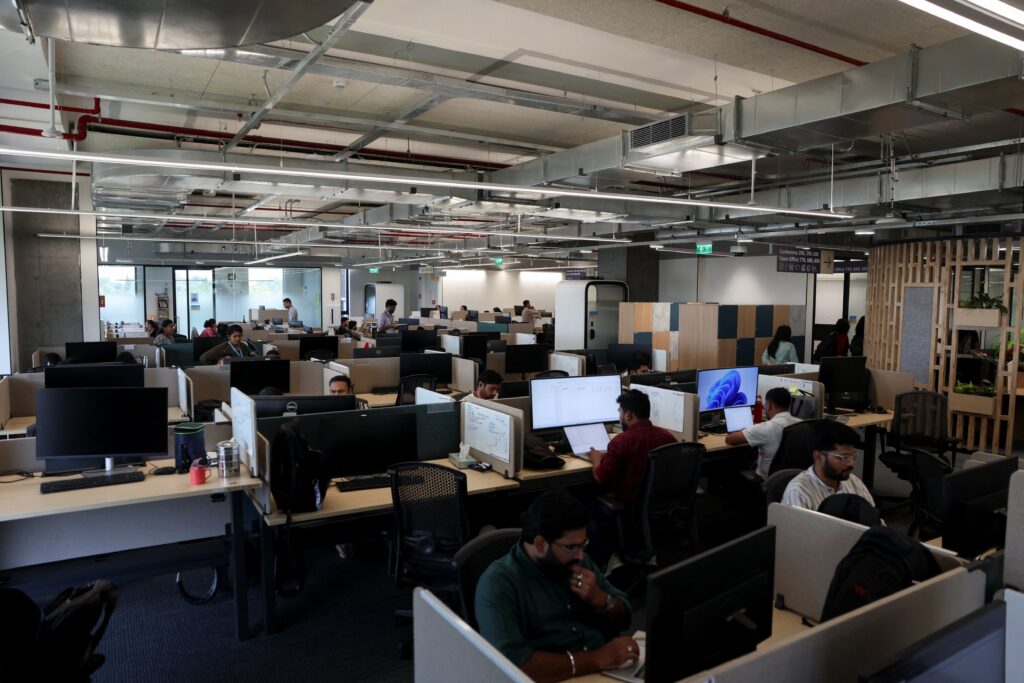
Recurrent irritant: Delay in disbursement of funds and salaries can derail research projects.
Time is of the essence in science. The report that 75 women selected for the Department of Biotechnology’s Biocare programme have received neither sanction letters nor salaries is reminiscent of an irksome and persistent malaise in India’s research administration.
The Hidden Cost of Delayed Research Funding in India
Young researchers already contend with scant laboratory space, cumbersome university bureaucracies, labyrinthine grant applications, uneven mentorship, and uncertain career prospects. Salaries and fellowships are modest in relation to living costs, which deters talented graduates from pursuing research. Protracted postdoctoral or contractual roles without long-term security often trap even those determined to stay. In this milieu, a scheme such as Biocare promises an independent foothold while its failure to deliver on time magnifies the insecurity and discouragement.Opportunities for postdoctoral work and tenure-track openings abroad are also narrowing. Immigration regimes in the West have become tighter while competition for limited faculty posts has intensifed. For Indian scientists, thus, the domestic research ecosystem is increasingly the arena in which their careers will unfold. Delays in disbursing fellowships and grants can derail entire careers. India can no longer afford to treat such breakdowns as teething troubles.
The country aspires to expand its global scientific standing, to convert research into innovation, and to train a generation of scientists to address pressing challenges in health, energy, agriculture, and climate resilience. These ambitions are incompatible with a funding administration that falters at basic execution. The switch to the Treasury Single Account system, the stated reason for the Biocare delay, may strengthen transparency in the long run, but there are several reasons for urgent administrative maturity right now. Foremost, science is time-sensitive: experiments must begin when facilities, collaborators, seasonal or biological conditions align. Delays break these cycles irreversibly. Second, when schemes that are progressive on paper fail to reach beneficiaries, the resulting credibility deficit will make it harder to attract domestic talent and international partnerships. Third, equity demands consistency. Women scientists, early-career fellows, and those from underrepresented backgrounds already contend with systemic barriers. Erratic access to funds affects them disproportionately. Scheme design must incorporate rather than externalise enforcement.Policymakers must implement transparency with contingencies to protect beneficiaries from becoming collateral damage in bureaucratic transitions. Ministries and programme managers must tighten accountability.
Policymakers must recognise that a delay in accounting procedures for them is the interruption of livelihoods and careers for researchers.https://www.bluekraft.in/indias-innovation-renaissance-policy-reforms-and-youth-empowerment/
FOR MORE : https://civiclens.in/category/opinion/
About the Author