A far-off war has all but ended normal purchasing behaviour for consumers living in India with respect to Diet Coke available to purchase at retail locations across the country. Unfortunately, the current shortage of Diet Coke is due to global disruptions in the supply chain caused by the ongoing conflict in the Middle East. The ongoing conflict is having a severe effect on the availability of aluminium, which beverage companies require for packaging their products.
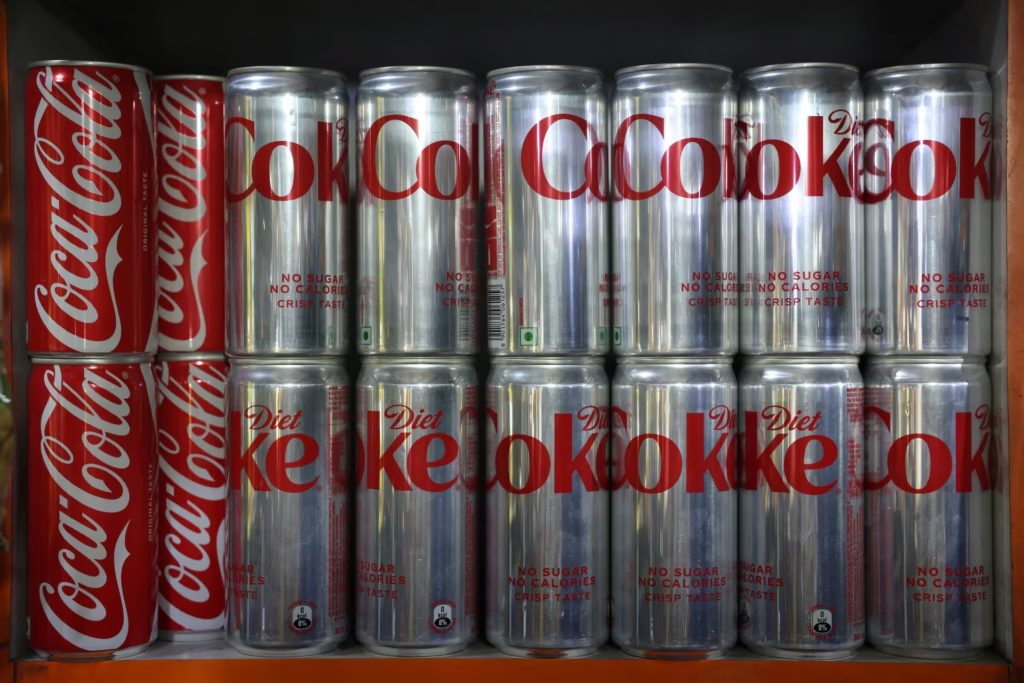
At the same time, there is a growing demand for sugar-free beverages. Therefore, Diet Coke’s shortage shows that global crises and their impact on people’s daily lives can shape how geopolitics shapes retail availability today.
Diet Coke Shortage Driven by Aluminium Supply Disruptions
At first, the ongoing conflict caused major interruptions in the flow of shipping via the Strait of Hormuz. This waterway represents a large source of supply for aluminium used globally for the production of Aluminium Cans.
The blockade delayed the shipment of aluminium cans to manufacturers in India, creating a serious shortage of important packaging materials. The company MOST impacted was the company most reliant on the use of aluminium cans for selling Diet Coke, as compared to other beverages (that have plastic and glass alternatives). According to a retailer: “We have been experiencing extreme stock-outs of Diet Coke since Monday; whenever we do receive any supply, consumers are buying immediately”.
This has shown how companies that were dependent on certain types of packaging materials have also been greatly affected by disruptions in their supplies.
Rising demand and limited production capacity worsen the shortage
On the other hand, low sugar drink demand has grown quickly, with a doubling of sales in this size and type. However, there is not enough domestic aluminium production to give the overall demand to buyers. There is an increasing amount of imports available, mainly from the UAE. The cost difference for multinational companies between the two methods of supply is huge. For this reason, it has been difficult for companies to keep their prices and reliable availability in sync, one distributor stated, as they have continued to order product but are experiencing short supply issues related to the war. Another result of this is that many companies have begun to ration their stock in various markets where they sell products. Thus, a combination of increasing demand and limited stock supply has caused the shortages.
Industry response and long-term implications for supply resilience
Companies are searching for different strategies to purchase from different sources and packaging supplies; many are visiting out-of-state vendors even with increased expenses. Businesses are preferring higher-margin products due to their reduced availability; meanwhile, industry organizations have asked governments for temporary duties. Increased prices for packaging materials will also contribute to the deterioration of the global supply chain. Read More: Supply Chain Resiliency – is it necessary?
As a result, supply chain resiliency has emerged as a priority concern in today’s world. Therefore, we will likely see an increase in the diversification of packaging formats moving forward. As a result, the current shortage directly reflects some systemic weaknesses in global supply networks. Diet Coke shortage underscores the growing need for resilient and diversified global supply chains.
For more- https://civiclens.in/category/national-news-civiclens-in/
About the Author


